When Am I Most Fertile?
Timing intercourse is essential for conception (Wilcox). Conception can only happen during the fertile window, which is typically the 5 days leading up to ovulation and the day of ovulation. Peak fertility is the 2-3 days prior to ovulation (American Society for Reproductive Medicine).
How Continuous Core Body Temperature Predicts Ovulation
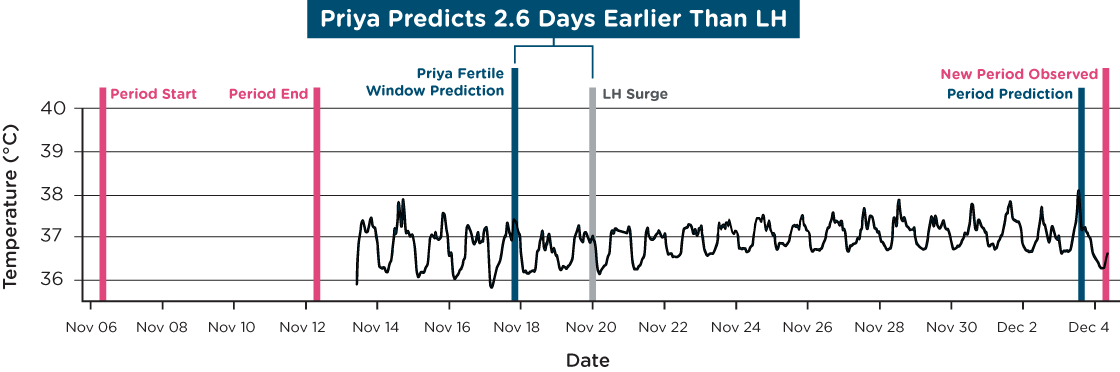
We have nearly 3.5 trillion clocks called circadian rhythms in our bodies that regulate our organs, weight, sleep, and fertility. Who knew?! Core body temperature (CBT) has been studied and shown to be a highly reliable marker for circadian rhythm patterns (Brown) that correlate with the release of hormones, such as estrogen and progesterone.
So what do circadian rhythms have to do with fertility? Allow us to elaborate. Circadian rhythm patterns change with the phases of the menstrual cycle, allowing ovulation prediction by detecting those patterns, best seen through continuous core body temperature (CCBT) monitoring.
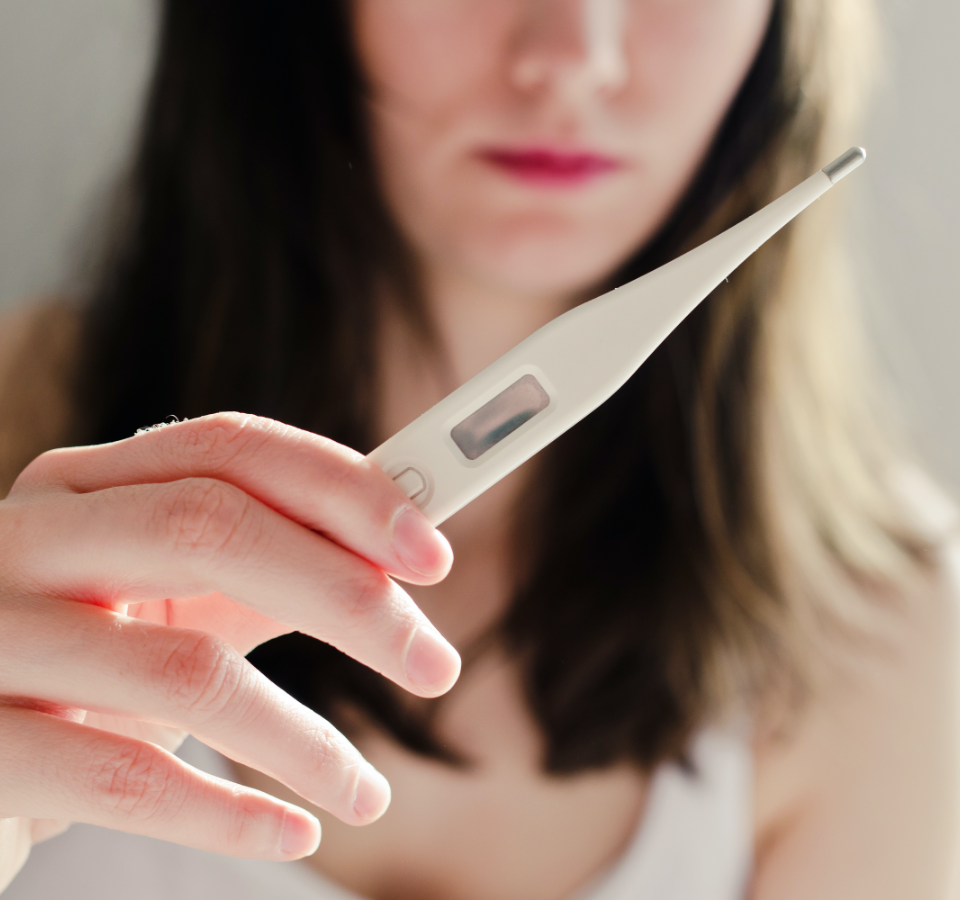
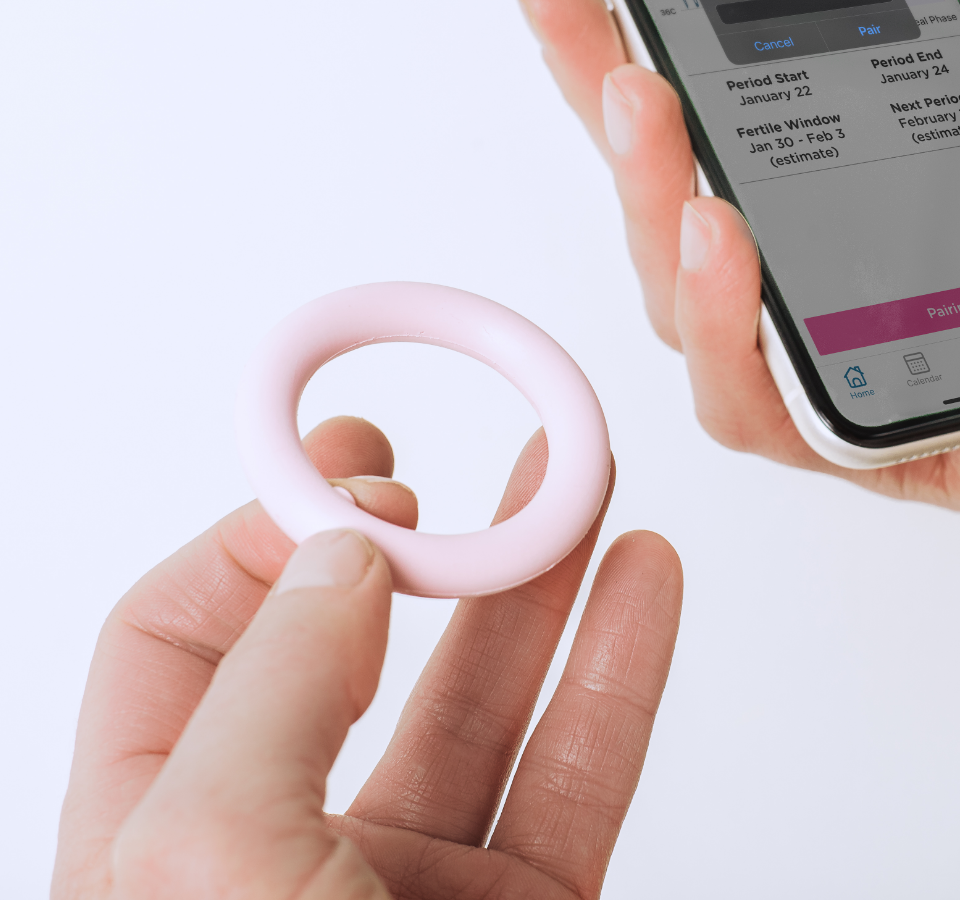
Here’s where we come in to help. Ayola Ring, your Personal Fertility Sensor records CCBT, which, combined with the application of the unique Ayola Ring, your Personal Fertility Sensor algorithm, identifies subtle temperature patterns, undetectable by standard oral or skin thermometers, that occur prior to ovulation (Coyne, Cagnacci).
When measured accurately, this temperature shift provides an important tool for predicting ovulation. Having intercourse during these pre-ovulatory days significantly increases the probability of conception (Johnson).
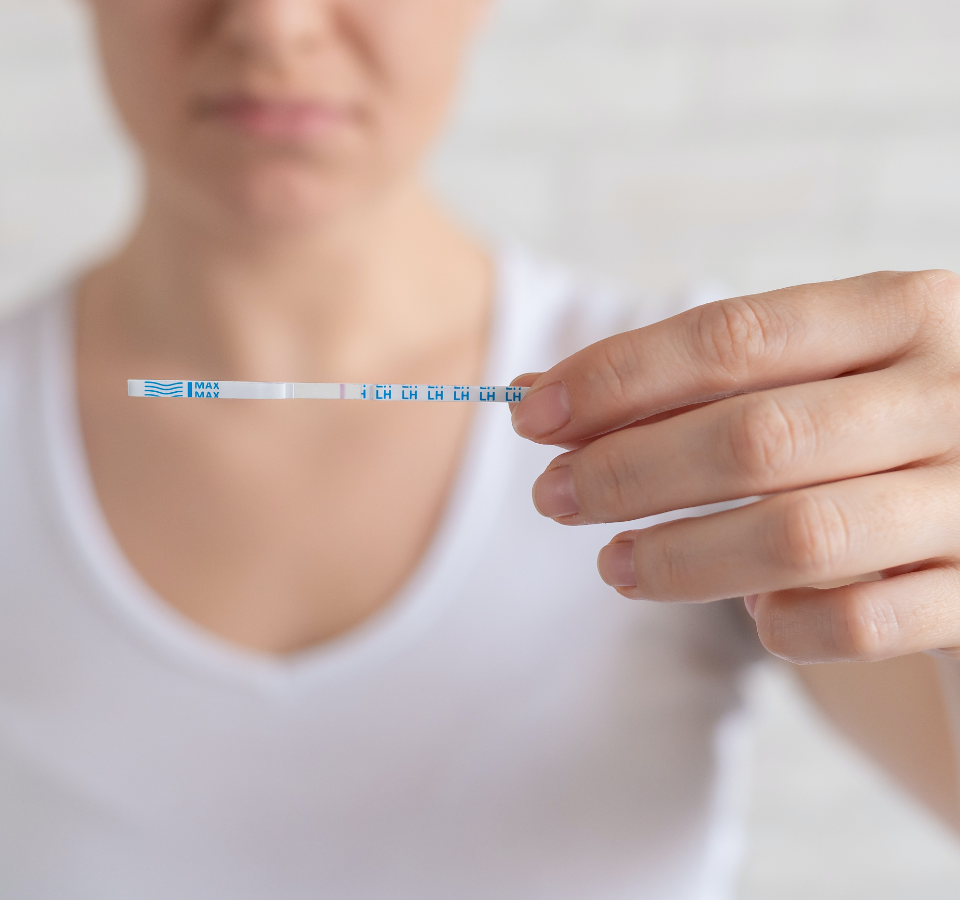
How does Ayola Ring’s Continuous Core Body Temperature (CCBT) measurement compare to other methods of predicting ovulation?
Mainstream current methods to predict the (at times) elusive fertile window can fall short for many women. From being inaccurate, too much work, or confusing to interpret, the traditional methods are widely used because they were the only tools available.